From Screen-Addicted to Soundly Sleeping: How a Simple App Brought Us Closer at Night
Do you ever lie awake, exhausted but eyes still glued to your phone? I did—until my partner gently suggested we try something new. We weren’t just battling poor sleep; we were missing each other in the quiet hours. Then came an eye protection app that did more than dim the screen—it reshaped our evenings. This isn’t about strict rules or fancy tech. It’s how a small change helped us unwind, reconnect, and finally sleep side by side like we used to. And if you’ve ever felt that quiet ache of being close in body but far in mind, this story might feel familiar.
The Nighttime Trap: When Screens Pull Couples Apart
It started so subtly I didn’t even notice it happening. One night, I was checking a recipe. The next, I was scrolling through news headlines, then a parenting blog, then a quick peek at social media. My partner was doing the same beside me, both of us bathed in the cool glow of our devices. We weren’t arguing. We weren’t even ignoring each other. But we weren’t *together*, either. The silence between us wasn’t peaceful—it was full of unspoken distance.
That’s the sneaky thing about nighttime screen use. It feels harmless. You’re just winding down, catching up, relaxing. But slowly, those glowing rectangles become barriers. Blue light, the kind emitted by phones, tablets, and e-readers, tricks our brains into thinking it’s still daytime. It suppresses melatonin, the hormone that signals it’s time to sleep. So instead of feeling drowsy, we stay alert—mentally active but emotionally disconnected.
And it’s not just about sleep. It’s about presence. When we’re focused on our screens, we’re not really seeing each other. We miss the little cues—the sigh after a long day, the half-smile at a memory, the quiet need to be heard. I remember one night, my partner turned to me and said, “Do you even know what I did today?” Not in anger, but with a soft sadness. That hit me. I’d been *there*, but I hadn’t been *present*. We were two people sharing a bed but living in separate digital worlds.
Research backs this up. Studies show that couples who spend more time on screens at night report lower relationship satisfaction. The more we scroll, the less we talk. The less we talk, the more we drift. It’s not that technology is evil—it’s that we haven’t learned how to use it in a way that serves our relationships, especially in the sacred space of bedtime.
Discovering a Different Kind of App: Not Just for Eyes, But for Connection
Then, one evening, my partner handed me their phone and said, “Try this.” It was an eye protection app—nothing flashy, no complicated setup. Just a simple tool designed to reduce eye strain by adjusting screen color as the sun goes down. I’d heard of these before, but I’d always thought, *That’s for people who work late on computers*. I didn’t realize it could be for *us*—for our bedtime, our connection, our peace.
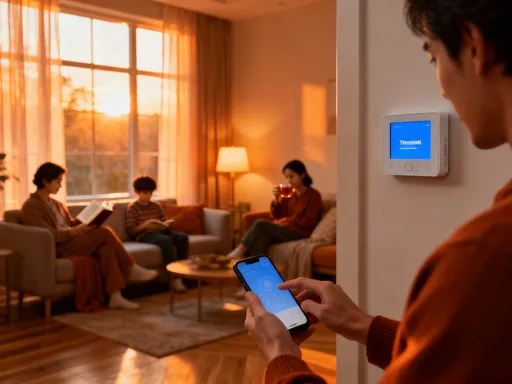
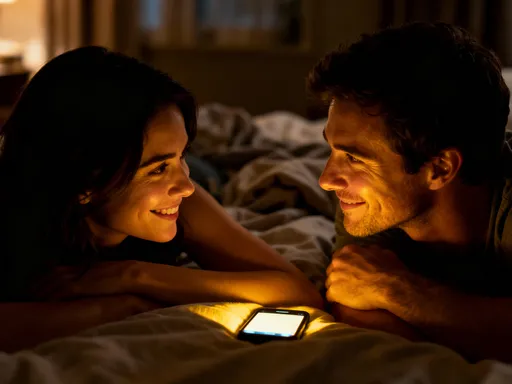
But this app was different. It wasn’t just about protecting our eyes. It became a shared signal, a gentle nudge that said, “The day is ending.” We started syncing our settings. At 8:30 PM, both our screens would gradually shift from bright white to a warm, amber glow—like the light of a sunset or a candle. No alarms, no pressure. Just a soft visual cue that it was time to slow down.
What surprised me was how quickly this small change shifted our energy. That warm tint didn’t just feel easier on the eyes—it felt *calmer*. It was like the screen was no longer demanding our attention. Instead, it was inviting us to let go. We began putting our phones down sooner, not because we had to, but because we *wanted* to. The app didn’t force us into a routine; it made the routine feel natural, even comforting.
And here’s the thing: we didn’t realize we were building a ritual until we were already living it. Turning on the app became our version of “lights out” for the mind. It wasn’t about cutting off technology completely. It was about using it in a way that *supported* connection instead of stealing from it. That shift—from distraction to intention—changed everything.
How Technology Can Quiet the Mind (Without Feeling Cold or Technical)
I’ll admit, I used to think of tech as the enemy of peace. Apps that track your every move, notifications that never stop, devices that demand constant attention—it all feels overwhelming. But this app was different. It didn’t track me. It didn’t analyze my habits or send me reports. It didn’t even have a dashboard. It just… worked. Quietly. Kindly.
That’s the beauty of well-designed technology. It doesn’t shout. It whispers. It doesn’t control. It supports. This app faded into the background, doing its job without fanfare. As the evening deepened, the screen got warmer, softer—like the room itself was relaxing. And over time, something amazing happened: my brain started to *expect* that warmth as a signal to unwind.
It’s called *conditioning*, and it’s powerful. Just like how the smell of coffee might wake you up, or the sound of rain might make you drowsy, our brains can learn to associate certain cues with certain states. The warm screen became our cue for calm. No willpower needed. No self-discipline battles. Just a gentle, consistent signal that helped our nervous systems shift from “on” to “off.”
And because it was the same for both of us, it created a shared experience. We weren’t just adjusting our devices—we were adjusting our *rhythms*. That synchronization mattered more than I realized. When both of us are moving toward rest at the same pace, there’s less friction, less pressure, less “Hurry up, I’m tired.” Instead, there’s harmony. It’s like dancing to the same quiet song, even if you’re not touching.
This isn’t magic. It’s thoughtful design meeting human need. And it reminded me that technology doesn’t have to be cold or invasive. When it’s built with care, it can feel almost human—like a quiet friend who knows when to speak and when to stay silent.
Building a Shared Sleep Ritual: From Me-Time to We-Time
One of the biggest shifts? We stopped treating bedtime as “me-time” and started seeing it as “we-time.” And it didn’t feel forced or performative. It just… happened. Once the screens were dimmed and the warm light filled the room, something softened. We’d put our phones down—not with frustration, but with relief. Like we’d finally put down a weight we didn’t know we were carrying.
At first, the silence felt strange. We’d been so used to filling the space with scrolling, with noise, that stillness felt awkward. But we didn’t rush to fix it. We let it be. And slowly, words began to come. Real ones. Not “Did you pay the electric bill?” but “I felt really proud of myself today.” Or “I’ve been thinking about that trip we talked about.” Or sometimes, just “I love how quiet it is right now.”
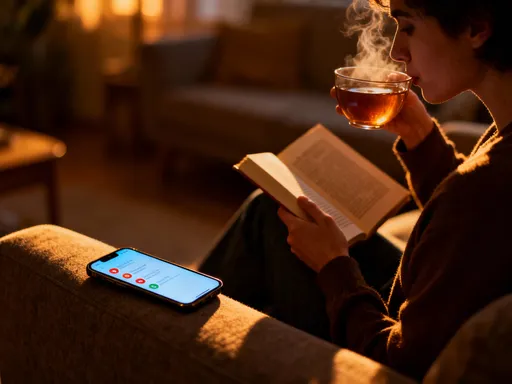
We started adding small things—a candle, a cup of herbal tea, a few minutes of quiet music. Nothing elaborate. Just little signals that said, “This time is special.” We weren’t doing anything *productive*, but it was deeply meaningful. We were relearning how to be together without an agenda, without distraction, without performance.
And here’s the surprising part: those quiet moments didn’t just bring us closer—they made it easier to fall asleep. Because when you feel seen and heard, your mind doesn’t race. You don’t lie there replaying arguments or worrying about tomorrow. You feel safe. Held. Connected. And that safety is one of the most powerful sleep aids there is.
It wasn’t about eliminating technology. It was about reclaiming the space around it. We weren’t giving up our devices—we were giving ourselves back to each other. And in that simple act, we found something we didn’t even know we’d lost: intimacy that didn’t require words, but was deepened by them.
Better Sleep, Deeper Bonds: What Changed Beyond the Bedroom
The effects didn’t stop when we closed our eyes. The next morning, I noticed I wasn’t groggy. I didn’t reach for my phone the second I woke up. I actually *wanted* to stay in bed for a few minutes, just feeling the quiet. And when my partner smiled at me over coffee, it didn’t feel like a habit—it felt like a gift.
Better sleep changed our days. We were less irritable. We listened more. We laughed more. Little things didn’t feel like big deals. A spilled coffee? No problem. A missed call? We’d get to it later. There was a lightness between us that hadn’t been there in years. And it wasn’t just emotional—we had more energy, more patience, more presence.
Science explains this. Sleep affects emotional regulation, memory, and decision-making. When we’re sleep-deprived, we’re more reactive, more negative, more likely to misread cues. But when we’re well-rested, we’re more resilient, more empathetic, more able to connect. We weren’t just sleeping better—we were *living* better.
And it showed in our relationship. We started planning small things again—a walk after dinner, a movie night, a weekend visit to a nearby town. Not because we had to “fix” our marriage, but because we *wanted* to be together. The connection we rebuilt at night spilled into the day, creating a positive cycle. The more we enjoyed each other’s company, the more we looked forward to bedtime—not for sleep, but for *us*.
It’s amazing how one small change can ripple through every part of life. We didn’t set out to transform our relationship. We just wanted to sleep better. But in fixing our nights, we healed something deeper—a quiet erosion of closeness that had been happening slowly, invisibly, for years.
Making It Work for Real Life: No Perfection Needed
Let’s be real—this didn’t work perfectly every night. Some evenings, one of us forgot to turn on the app. Or someone got caught up in a work email. Or the kids needed help, and bedtime got pushed back. And that’s okay. The beauty of this practice isn’t in perfection—it’s in intention.
We learned to be gentle with ourselves. The app didn’t scold us. It didn’t keep score. It just waited, ready to help the next night. And that taught us something important: progress isn’t linear. Connection isn’t about getting it right every time. It’s about showing up again, even after you’ve slipped.
If you want to try this, start small. Sync your devices with your partner. Set the app to turn on at the same time each night—maybe 30 to 60 minutes before you plan to sleep. Choose a warm color tone that feels soothing, not harsh. And pair it with something simple: a candle, a few minutes of quiet talk, a shared cup of tea. Make it a ritual, not a rule.
And if you miss a night? No guilt. No shame. Just begin again tomorrow. The goal isn’t to eliminate technology or create a perfect routine. It’s to create space—for rest, for connection, for each other. Some nights will be better than others. But over time, those small moments add up. They become the quiet foundation of a stronger, more loving relationship.
A Little Tech, A Lot of Heart: Why Small Changes Matter Most
In a world that loves big fixes—extreme diets, radical makeovers, overnight transformations—it’s easy to overlook the power of small, consistent choices. We think we need dramatic change to feel better. But often, it’s the tiny shifts that make the biggest difference.
This app didn’t save our relationship. No single tool can do that. But it gave us back something precious: undistracted time. It helped us reclaim the evening as a space for connection, not consumption. It reminded us that technology doesn’t have to pull us apart. When we choose it with care, it can actually bring us closer.
Because at the end of the day, it was never really about the app. It was about what the app represented—a choice. A choice to slow down. A choice to be present. A choice to say, “You matter more than this screen.” And that choice, made again and again, is what rebuilt our closeness.
If you’re lying in bed tonight, scrolling while your partner sleeps, or lying awake with your own thoughts racing, know this: it’s never too late to begin. You don’t need a fancy gadget or a complicated plan. You just need one small step—a warmer screen, a shared moment, a quiet “I’m here.”
Because the most meaningful connections aren’t built in grand gestures. They’re built in the quiet, in the stillness, in the moments we choose each other over everything else. And sometimes, all it takes is a little light—warmer, softer, kinder—to remind us how close we’ve always been.