More Than Just Notes: How Shared Docs Helped Me Reconnect and Stay Fit with an Old Friend
Life gets busy, and staying in touch with old friends can slip through the cracks—especially when we’re chasing deadlines and fitness goals. But what if the same tools you use for work could quietly strengthen your relationships and health? I rediscovered a childhood friend through a shared document, and together, we built a simple, joyful routine that keeps us both moving, laughing, and accountable. It started with a blank page—and changed how I see technology, friendship, and wellness. We weren’t building a business plan or organizing a meeting. We were rebuilding a bond, one typed sentence, one stretch, and one shared laugh at a time.
The Forgotten Connection: When Life Pulls Friends Apart
Let me tell you about Sarah. We met in third grade, sitting side by side during art class, both struggling to glue macaroni into vaguely heart-shaped collages. Back then, our biggest worry was whether we’d get the red crayon or if the school bus would be late. We shared everything—lunches, secrets, dreams of becoming veterinarians or astronauts (or both). We promised we’d always be friends, no matter what.
And for a while, we were. Sleepovers, summer bike rides, passing notes in math class—those years were full of presence, of being truly seen. But then life happened. High school took us in different directions. College pulled us to opposite coasts. Jobs, marriages, moves, and motherhood filled our calendars and our hearts. We meant to stay close. We really did. We’d send birthday messages, like each other’s vacation photos, maybe exchange a quick text around the holidays. But those moments felt more like checking a box than truly connecting.
Over the years, something subtle but powerful shifted. The emotional thread between us grew thin, stretched by time and distance. I’d see her name pop up and think, “I should call her,” but then the laundry needed folding, or the kids needed help with homework, and the moment passed. We weren’t angry or hurt—we just drifted. And that’s the thing about drifting: it doesn’t feel dramatic. It feels normal. Until one day, you realize it’s been months—maybe even years—since you’ve really talked. Not just about the surface stuff, but about how you’re truly doing. About your worries, your joys, the little things that make you feel alive.
I missed her. Not in a sad, dramatic way, but in a quiet, persistent ache—like a favorite sweater you can’t find. I wanted to laugh with her again, to feel that ease, that comfort. But picking up the phone felt heavy. What would I even say? “Hey, remember me? Let’s catch up!” It felt awkward, forced. I wanted something that didn’t require a big performance, something that could grow naturally, without pressure. I just wanted to feel close again—without the weight of a long overdue conversation hanging over us.
A Shared Document, An Unexpected Spark
Then, one rainy Tuesday, I was organizing my digital files—something I do when I need to feel in control—and I stumbled upon an old folder labeled “Summer Plans 2012.” Inside were scanned invitations to Sarah’s birthday BBQ, photos from a road trip, and a silly to-do list we’d made for a DIY spa day. I smiled, clicked on it, and just like that, I was back in that sunlit kitchen, painting our nails and dreaming out loud.
On impulse, I opened my document collaboration app—yes, the same one I use for work projects—and created a new file. I typed: “Hey Sarah. Found this old folder. Remember the spa day? I still have that glittery nail polish.” I hit share, added her email, and pressed send. No big speech. No expectation. Just a little thread tossed across the miles.
Two hours later, I saw her name appear in the doc. She’d written: “OMG yes! I used that polish on my toenails last week! Still have mine too.” And then, almost as an afterthought: “P.S. I’ve been trying to move more. My back hurts from sitting all day. Any stretches you swear by?”
I blinked. This wasn’t a text. This wasn’t a fleeting message that would vanish into the void. This was a space. A shared space. I typed back: “I do a few quick ones every morning. Want me to write them down?” And just like that, we started building something. I listed three simple stretches—neck rolls, shoulder shrugs, seated spinal twists. She added a cat-cow flow. I suggested a 10-minute morning routine. She renamed the doc: “Move Together.”
What surprised me wasn’t just that we were talking again—it was how real it felt. Seeing her cursor move across the screen, watching her type in real time, reading her comments—it was like we were in the same room, leaning over a notebook. There was no pressure to respond instantly. No fear of interrupting. Just this quiet, steady presence. And when she wrote, “Let’s start tomorrow. I’ll check the doc in the morning,” I felt a little spark. Not because of the stretches, but because we had a plan. A tiny, shared purpose. Something to show up for—together.
Turning Fitness into a Shared Journey
That first morning, I did my 10-minute stretch routine and opened the document. I typed: “Done! Felt amazing. How about you?” By lunchtime, Sarah had replied: “Did it! My back already feels looser. Added a sun salutation. Let’s do this every day?” And just like that, we had a rhythm.
The doc stopped being just a workout list. It became a living journal—our little digital scrapbook of movement and connection. We started tracking small wins. I wrote, “Did my stretches even with a sick kid—proud of me!” She responded with a string of heart emojis and “You’re a rockstar!” She added a photo of herself doing yoga in her living room, dog curled at her feet. I shared a screenshot of my morning walk route with a sunrise. We swapped quotes—hers was “Motion is lotion,” mine was “Just show up.”
What made it stick wasn’t the fitness itself, but the shared commitment. Knowing Sarah would open that doc and see whether I’d checked in—it kept me honest. Not in a scolding way, but in a gentle, “I’m here, I care” way. If I missed a day, I’d write, “Skipped today—meeting marathon. Will resume tomorrow!” And she’d reply, “No guilt! Life happens. See you tomorrow.”
We also started celebrating non-scale victories. I wrote, “Slept through the night for the first time in weeks!” She added, “Had energy to play with my nephew at the park!” These weren’t just fitness wins—they were life wins. And because we were sharing them, they felt bigger, more meaningful. The playful accountability helped too. One morning, I opened the doc to find her comment: “Did you skip Tuesday?” I laughed out loud and typed, “Guilty! But I made up for it with a walk during lunch. Check the photo!” It wasn’t about perfection. It was about showing up, again and again, in whatever way we could.
Technology That Feels Human
Here’s the thing I didn’t expect: a document app—a tool I associated with spreadsheets and project deadlines—became a vessel for warmth, connection, and care. It didn’t feel cold or corporate. It felt intimate. And I’ve thought a lot about why.
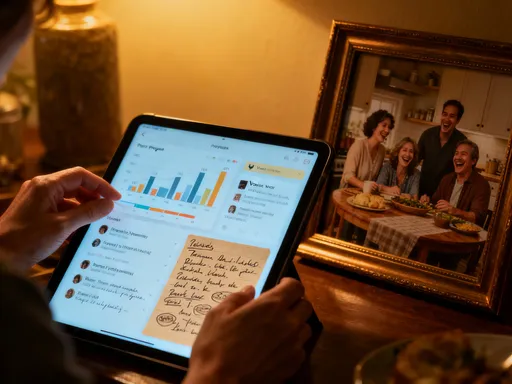
It’s in the subtle design choices. The comment threads let us cheer each other on without cluttering the main plan. Version history became our progress timeline—we could scroll back and see how far we’d come. The ability to co-create, to add, edit, and respond in real time—it made the document feel alive, like a shared heartbeat. And the cursor. That little blinking line with her name beside it. When I’d open the doc and see “Sarah is typing…” my heart would jump a little. It was like a digital tap on the shoulder—“I’m here. I’m thinking of you.”
Compare that to most fitness apps. Don’t get me wrong—I love my step counter and my meditation app. But they’re built for metrics. They tell me how many calories I burned, how many minutes I sat, how my heart rate spiked during that sprint. And that’s useful, sure. But it’s not meaningful. It doesn’t tell me how I felt. It doesn’t celebrate my resilience after a tough day. It doesn’t laugh with me when I do a lopsided downward dog.
This shared doc did. It wasn’t about numbers. It was about narrative. It was about us—our journey, our friendship, our small acts of care. It gave us space to be imperfect, to be human. And in a world where so much tech feels designed to grab our attention or sell us something, this felt different. It felt like a gift. A quiet, unassuming tool that helped us show up for each other—and for ourselves.
Building a Routine That Stuck
One of the biggest reasons this worked? It reduced the mental load. I didn’t have to remember to call Sarah. I didn’t have to schedule a Zoom workout (which, let’s be honest, feels like another meeting). I didn’t have to send a text and wait for a reply. I just opened the document. If I had five minutes, I’d write a quick note. If I’d done my stretches, I’d check them off. If I was tired, I’d type, “Need rest today. Sending love.” And she’d respond in her own time, in her own way.
The flexibility was everything. Life with kids, jobs, aging parents—it’s unpredictable. There’s no such thing as a perfect routine. But this doc didn’t demand perfection. It welcomed presence. If I missed a few days, I didn’t delete the plan. I just added a note: “Back at it! Today’s focus: gentle movement.” No guilt. No restart needed. Just continuity.
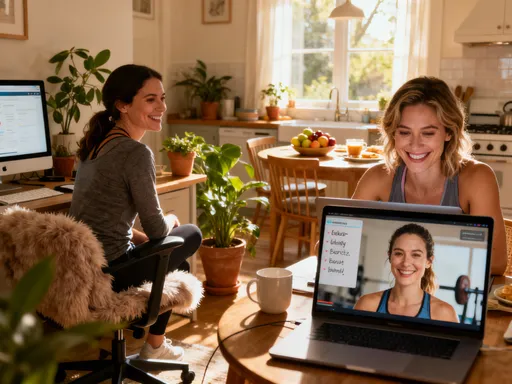
We also started weaving in other small habits. I added a section for “Mindful Moments”—five-minute breathing exercises I do while waiting for the coffee to brew. She started logging her “Walking Meetings”—calls she takes while strolling around her neighborhood. We even tried cooking the same healthy recipe one weekend and video-called while we chopped vegetables. It wasn’t fancy, but it was real. And because it was all in one place—in our shared space—it felt cohesive. Like we were building a lifestyle, not just a fitness plan.
And the best part? It didn’t feel like work. It felt like tending to a garden—small, consistent actions that, over time, grow something beautiful. We weren’t chasing six-pack abs or marathon times. We were chasing energy, ease, connection. And we were doing it together.
Beyond Fitness: Rediscovering Ourselves
What started as a way to stay active became so much more. As we moved our bodies, we began to move our emotions too. We started sharing more—about work stress, parenting challenges, moments of joy. I wrote about feeling overwhelmed after a tough week. Sarah responded with a simple, “I see you. That sounds hard.” And then she shared her own story of burnout. We weren’t solving each other’s problems. We were witnessing them. And that made all the difference.
We rekindled our old inside jokes. I added a section called “Random Joy” and posted a video of my cat chasing a sunbeam. She replied with a meme of a dancing potato. We laughed in real time, miles apart. We shared life updates—not just the highlights, but the messy, real parts. Her mom’s health scare. My daughter’s first school play. We didn’t always have answers, but we had presence. And that presence, built through small, consistent acts of showing up, rebuilt trust—not just in our friendship, but in ourselves.
I realized something profound: taking care of my body helped me process my emotions. On days I felt anxious, doing the stretches grounded me. On days I felt sad, moving my body helped me feel alive again. And having Sarah beside me—digitally, but truly—made it safer to feel those things. The document became a container for our growth. A safe space where we could be imperfect, honest, and still loved.
This wasn’t just about fitness. It was about friendship. It was about self-worth. It was about remembering who we were—and who we still are. Two women, decades later, still laughing over glittery nail polish, still showing up for each other, one small act at a time.
Your Turn: Start Simple, Stay Connected
If this resonates with you—if you have someone you miss, someone you’ve lost touch with, or even someone you see regularly but want to connect with more deeply—I want to invite you to try this. It doesn’t have to be fitness. It could be a shared reading list, a recipe journal, a gratitude log, or a “dreams and goals” doc. The topic matters less than the intention: to create a shared space where you can show up, be seen, and grow together.
Here’s how to start: pick a collaboration app you already use—Google Docs, Notion, Microsoft OneNote, or any tool that lets you edit in real time. Create a new document. Give it a warm, inviting name—something like “Us Time,” “Small Steps Together,” or “Our Wellness Corner.” Then, invite that person. You don’t need a big speech. Just say, “Hey, I was thinking of you. Want to try this little thing with me?”
Start simple. Add a few easy goals—three stretches, a daily walk, a healthy breakfast idea. Leave space for photos, quotes, or little notes. Let it evolve. Let it be messy. Let it be joyful. The magic isn’t in the content—it’s in the consistency, the presence, the quiet knowing that someone is there, checking in, cheering you on.
And remember: this isn’t about adding another task to your to-do list. It’s about weaving connection into your life in a way that feels light, natural, and sustainable. It’s about using technology not to distract you, but to deepen what matters most—your health, your relationships, your sense of self.
I never thought a shared document could bring so much warmth into my life. But here we are—Sarah and I, still moving, still laughing, still growing. And it all started with a blank page, a simple idea, and the courage to reach out. Maybe your story starts there too. Open a doc. Invite someone you care about. And see what grows.