Tired of Forgetting Family Goals by Friday? Here’s How a Simple Shared Table Keeps Everyone on Track
Family dinners are meant to connect us—but too often, they become a missed chance to grow together. You share meals, but do you really share progress? Goals get lost in busy schedules, promises fade, and motivation slips. What if one simple tool could change that? I discovered how an online spreadsheet quietly transformed our dinner table into a place of encouragement, clarity, and shared wins—no tech skills needed. It didn’t require expensive apps or complicated setups. Just a shared space where we could see what mattered, celebrate small steps, and remember why we were trying in the first place.
The Broken Promise of Family Goals
We all want to grow together—eating healthier, saving more, being kinder—but good intentions rarely stick. I remember sitting at the table one Thursday night, hearing my oldest say, “Wait, weren’t we supposed to pack lunches every day this week?” We’d talked about it Sunday night over pasta, full of energy and hope. By Wednesday, life had taken over. Homework, meetings, a surprise rainstorm that ruined the grocery delivery—all valid reasons, but still, another goal slipped through the cracks.
It wasn’t that we didn’t care. We did. We wanted to cook more meals at home, reduce screen time, save for a summer trip, and practice gratitude. But without a clear way to track progress, those goals lived only in conversation. They had no visibility, no anchor. They were like seeds planted in dry soil—good in theory, but not taking root. I started noticing a pattern: we’d set goals with excitement, talk about them for a day or two, then forget until someone accidentally mentioned them again, usually with a sigh.
The problem wasn’t laziness or lack of commitment. It was structure—or the lack of it. We needed something simple, something visible, something that didn’t feel like another chore. We needed a way to see our progress, not just talk about it. And most importantly, we needed it to feel like part of our life, not an add-on. That’s when I realized: maybe the solution wasn’t a new app or a complicated system. Maybe it was something as simple as a table.
How a Simple Online Table Changed Our Dinners
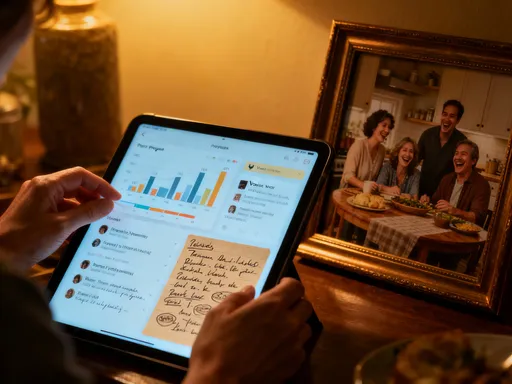
One night, instead of clearing the table right after dinner, I pulled out my phone and opened a shared online spreadsheet. I typed in three columns: “Meals Cooked at Home,” “Screen-Free Hours,” and “Money Saved.” Then I added rows for each of us. I didn’t announce it like a big moment—just said, “Hey, I’m trying something. Want to help me fill this in?” My kids looked at me like I’d suggested doing math for fun. But curiosity won over skepticism.
We started small. That week, we only tracked how many dinners we cooked at home. Each night, someone would say, “Did we log tonight?” and someone else would grab a phone and update the cell. At first, it felt a little robotic—like we were grading ourselves. But within days, something shifted. My daughter started reminding her brother to put his tablet away so he could count his screen-free hour. My partner began marking off each coffee he skipped, turning it into a quiet game.
What surprised me most was how the table became a conversation starter. Instead of asking, “How was your day?” we started saying, “How did your goal go?” That small shift opened up new kinds of talks. My son admitted he’d forgotten to track his reading, but he’d read an entire chapter anyway. That felt like a win. The table wasn’t just tracking data—it was building accountability with care. It wasn’t about perfection. It was about showing up, trying, and seeing that effort add up over time.
Why This Isn’t Just Another Productivity Hack
Let’s be honest—most productivity tools feel like work. They send push notifications, demand daily check-ins, and make you feel guilty when you miss a streak. I didn’t want to turn family time into a corporate performance review. This wasn’t about efficiency or optimization. It was about connection. The beauty of a simple shared table is that it doesn’t come with rules. It doesn’t track your heart rate or analyze your habits. It just holds space for what matters to your family.
Unlike apps that lock you into their design, a spreadsheet grows with you. You decide what to track. You choose how to celebrate. You can change your goals every week if you want. One week, we focused on kindness—logging small acts like helping a sibling or writing a thank-you note. The next, we shifted to fitness, tracking walks and bike rides. There’s no pressure to keep up with a preset system. It’s your system. And because it’s private, there’s no fear of judgment or comparison.
Another thing I love: it doesn’t require anyone to download anything. No new passwords, no confusing interfaces. If you’ve ever sent a family member a link and watched them struggle to log in, you know how frustrating tech can be. This? Just a link. Click it. Edit. Done. It meets people where they are—whether they’re tech-savvy or just learning to use email. And because it’s simple, it’s sustainable. We’ve been using ours for over a year, and it still feels fresh because we keep changing it to fit our lives.
Setting It Up: Easier Than Making the Grocery List
You don’t need training, special software, or even a printer. All you need is a device with internet access and a platform most of your family already uses. I started with Google Sheets because we all have Gmail accounts. But Microsoft Excel Online works just as well if you’re a Word or Outlook family. The first step is creating a new blank spreadsheet. Name it something warm, like “Our Family Wins” or “Team [Your Last Name] Goals.” That small touch makes it feel personal, not clinical.
Next, set up your table. Put each family member’s name in a row down the left side. Across the top, create columns for your weekly goals. Keep it simple at first—three to five goals max. Think things like “Water Bottles Filled,” “Kind Words Shared,” “Books Read,” or “Money Saved This Week.” You can always add more later. Use color coding to make it visual: green for completed, yellow for in progress, red for missed (but don’t make red feel like failure—just information).
Then, share the link. Copy the sharing link and send it in your family group chat or text it to everyone. Make sure editing is turned on so everyone can update their own rows. The first few days might feel awkward. You might forget to log. Someone might enter the wrong number. That’s okay. The goal isn’t accuracy—it’s consistency. Within a week, checking the table becomes as natural as checking the weather. And when you see those green cells start to fill in, it feels like progress you can actually see.
Turning Data into Family Encouragement
Numbers alone don’t inspire. But when my daughter saw her “Books Read” column grow from two to five in one week, she looked up and said, “Mom, I’m halfway to my goal!” That moment wasn’t about data—it was about pride. It was visible proof that her effort mattered. That’s when I realized the table wasn’t just a tracker. It was a mirror, reflecting back all the small things we do that usually go unnoticed.
We started celebrating in little ways. When we hit ten logged walks as a family, we danced in the kitchen to our favorite song. When we reached our weekly savings goal, we let the kids pick the movie for Friday night. These weren’t big rewards—just moments of joy tied to effort. But they made a difference. The table became a story of progress, not pressure. It gave us something positive to talk about, even on tough days.
Sometimes, the most powerful moments came from the “missed” cells. When my son saw three red boxes in a row for “Homework Done Before Dinner,” he didn’t shut down. He said, “I need help with math. Can we fix this?” That opened a conversation we’d been avoiding. The table didn’t judge. It just showed us where we were, and that was enough to spark change. It turned silence into support, and frustration into problem-solving.
Adapting as Life Changes—And It Always Does
Life doesn’t stay still, and neither should your goals. There was a month when school projects piled up, and we were all exhausted. Instead of pushing harder, we scaled back. We removed two goals and focused only on “Family Time” and “Sleep Before 10 PM.” That adjustment wasn’t failure—it was wisdom. The table didn’t scold us. It helped us respond to reality.
Then came the summer trip we’d been saving for. We added a new column: “Vacation Fund.” Every time someone skipped a coffee run or packed lunch, they’d add the amount saved. Watching that number grow became a family ritual. My youngest started calling it “our trip counter,” and every update felt like a step closer to the beach. When we finally booked the tickets, we took a screenshot of the table and printed it as a keepsake. That number wasn’t just money—it was teamwork.
The real magic happened when we let the kids design their own columns. My daughter added “Acts of Kindness,” where she’d write notes like “Helped Mom carry groceries” or “Listened when my friend was sad.” My son created “Challenge Days,” tracking when he tried something hard, like riding his bike without training wheels. These weren’t my ideas—they were theirs. And because they helped shape the table, they cared more about using it. It turned goal-setting into a creative, collaborative activity, not a top-down rule.
More Than Tracking—Building a Culture of Care
Over time, the table did more than record progress. It changed the way we talk to each other. Now, when I ask, “How was your week on your goal?” I’m not just checking a box. I’m inviting a conversation. I’ve learned that my partner struggles with focus in the afternoon, that my daughter feels proud when she finishes a book on her own, and that my son wants to be seen for his effort, not just his results.
Those insights didn’t come from a quiz or a therapy session. They came from a simple habit of checking in. The table created space for listening. It gave us a reason to ask, to notice, to celebrate. It turned abstract values like “support” and “growth” into daily actions we could see and share. And in a world that often pulls families in different directions, that kind of connection is priceless.
This simple tool didn’t just change our dinners. It changed how we see each other. We’re not perfect. We still forget to log sometimes. We still have weeks where nothing goes as planned. But now, we have a way to regroup, refocus, and remember what matters. The table isn’t about fixing flaws. It’s about nurturing what’s already good—and building on it, together.