Tired of High Bills and Guilt Over Wasting Energy? This Changed How I Live
We’ve all been there—rushing out the door, only to wonder: Did I turn off the lights? Is the AC still running? I used to stress about wasted electricity and sky-high bills, feeling helpless. But what if small tech tweaks could quietly transform your home—and your life? It’s not about perfection. It’s about smart, simple changes that add up. Let me show you how I found peace of mind, saved money, and started living more intentionally—without sacrificing comfort.
The Moment I Realized My Home Was Working Against Me
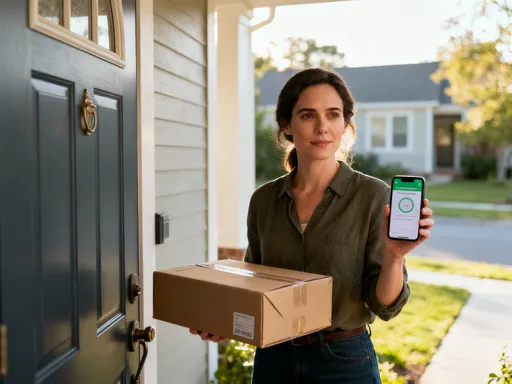
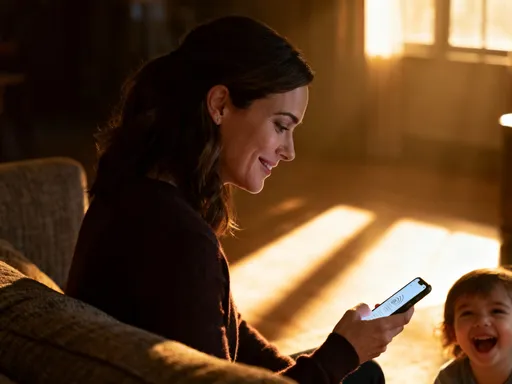
It was a rainy Tuesday, and I was late picking up my youngest from soccer practice. I rushed out, coat half-on, lunchbox in hand, and by the time I got to the car, one thought nagged at me: Did I turn off the living room lights? I couldn’t remember. And then another: Is the heater still blasting upstairs? I pulled out my phone, half-hoping for a smart home app that could help—but back then, I didn’t have one. I just had guilt. Guilt over energy I knew I wasn’t using, guilt over money I was throwing away. That moment wasn’t dramatic, but it was powerful. It made me realize my home wasn’t working for me—it was working against me.
I started paying attention. The next morning, I walked through the house before leaving. The kitchen lights were still on. The coffee maker, unplugged but still drawing power. The TV was off, but the cable box was humming like it was hosting a party. I didn’t even know these things used energy when they weren’t actively being used. I felt overwhelmed. Was I supposed to check every outlet? Unplug every device? I didn’t have the time or energy for that. But then I asked myself: What if my home could take care of itself? What if technology could help me stop wasting energy without making my life harder? That question changed everything.
Discovering the Power of Energy-Saving Modes—Without the Tech Jargon
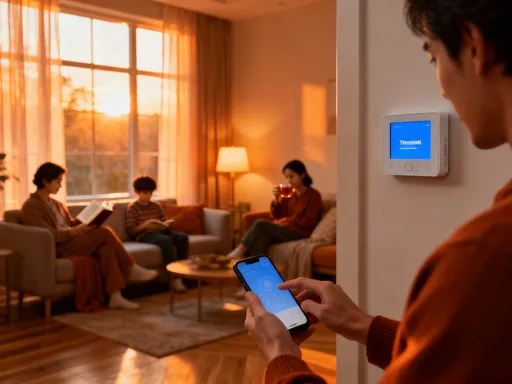
I’ll admit it—I was nervous. The word “settings” used to scare me. I’d open a menu, see a list of options, and panic. What if I changed something and couldn’t fix it? What if I accidentally turned off Wi-Fi for the whole neighborhood? But I started small. I looked at my thermostat. I’d always thought it was just for setting the temperature. But one day, I noticed a little icon: a leaf. I tapped it. “Eco Mode,” it said. That’s it? Just one tap? I turned it on. Nothing exploded. The house didn’t go dark. But over the next few days, I noticed the temperature adjusted when no one was home. It wasn’t cold. It wasn’t hot. It was… smart.
That tiny win gave me courage. I looked at my laptop. In the power settings, I found “Auto Sleep” after 15 minutes of inactivity. I turned it on. Now, if I walk away to make tea or help with homework, it dims and sleeps on its own. It’s like the machine knows I’ll be back, but it doesn’t need to stay awake the whole time. I started thinking of these settings like little habits—like turning off the faucet when you brush your teeth or locking the door when you leave. You don’t think about it after a while. It just becomes part of how you live. And the best part? I didn’t have to buy anything new. I just used what I already had, more intentionally.
Turning Settings Into a Lifestyle—Not a Chore
At first, I treated energy-saving like a to-do list. “Turn off lights. Unplug charger. Lower thermostat.” But that didn’t last. Life is too full for extra tasks. What changed was when I stopped seeing these actions as chores and started seeing them as rhythms. I began syncing tech settings with my daily routine. For example, I set up a “Bedtime Mode” on my phone. At 9:30 PM, it dims the lights in the living room, lowers the thermostat by two degrees, and silences non-urgent notifications. It’s not strict. It’s gentle. It’s like the house is saying, “Time to wind down.”
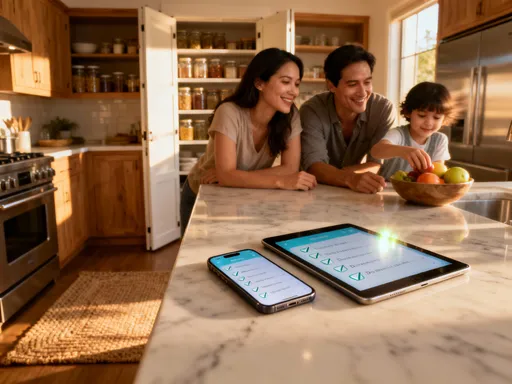
And you know what? It works. My kids don’t fight bedtime as much anymore. The house feels calmer. The air feels cooler. The silence feels deeper. I didn’t force it. I didn’t lecture. I just let the technology support the life I wanted to live. I also set up “Away Mode” for when we leave the house. With one tap, the lights turn off, the thermostat adjusts, and the smart plugs cut power to non-essential devices. I don’t have to remember. I don’t have to run back in. I just go. And that peace of mind? It’s priceless. These aren’t big changes. But together, they create a home that feels more in sync—with me, with my family, with our days.
The Ripple Effect on My Family and Home Life
One night, my daughter looked up from her book and said, “Why is it so quiet?” I smiled. “Because the house is resting,” I said. She laughed. “The house rests?” I explained how, when we’re not using things, they don’t need to stay on. Like how she closes her eyes to sleep, the TV can “close its eyes” too. She thought about it for a minute, then asked, “Can we make my nightlight turn off by itself?” We did. We got a simple smart plug, set a timer, and now it shuts off at 8 PM. She loves it. Not because it saves energy—though it does—but because it feels like magic.
What surprised me most was how these small changes sparked conversations. We started talking about comfort, about care, about how we want our home to feel. My son noticed the cooler temperature at night and said, “I sleep better now.” My husband started turning off lights without being asked. We didn’t set rules. We didn’t make it a lesson. It just became part of how we live. And that’s when it hit me: this isn’t just about saving energy. It’s about teaching values—responsibility, mindfulness, respect for what we have. And we’re doing it not through lectures, but through quiet, consistent actions. The technology isn’t replacing parenting. It’s supporting it.
Saving Money Without Feeling Deprived
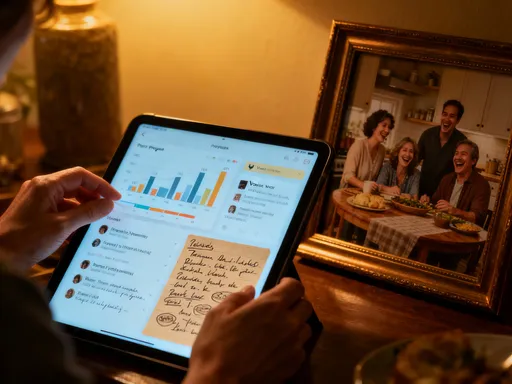
I’ll be honest—I didn’t start this to save money. I started because I was tired of feeling anxious. But the savings? They were real. After three months of using Eco Mode, Auto Sleep, and smart plugs, my electricity bill dropped by nearly 20%. That wasn’t a fluke. It was consistent. And that extra money? I didn’t hide it in a savings account. I used it. We went to the botanical gardens for the day. We got ice cream on the way home. We bought new books for the kids. And you know what? It felt better than keeping the lights on ever did.
The truth is, I didn’t sacrifice comfort. I didn’t sit in the dark. I didn’t freeze in winter or sweat in summer. The house still felt warm. The lights still worked. The TV still played. But now, the systems were smarter. They knew when to pause, when to rest, when to save. And because the changes were automatic, I didn’t have to think about them. That’s the beauty of it—conservation became invisible. I wasn’t denying myself anything. I was just using what I had more wisely. And that wisdom? It gave me freedom. Freedom from guilt. Freedom from high bills. Freedom to enjoy the things that really matter.
Building Confidence Through Small Tech Wins
I didn’t expect this journey to change how I see myself. But it did. Every time I figured out a new setting, every time I saw a lower bill, every time my kids noticed a change, I felt a little stronger. I realized I wasn’t powerless. I could shape my environment. I could make my home work for me, not against me. That confidence spilled over into other areas. I started asking questions about other devices. I looked into water-saving settings on the washing machine. I explored how to reduce phone battery drain. I wasn’t trying to become a tech expert. I was learning to be more intentional.
And that’s the shift: from fear to curiosity. From feeling overwhelmed to feeling capable. Technology used to feel like something that controlled me—endless notifications, automatic updates, apps that changed without warning. But now, I’m in charge. I decide what stays on, what shuts down, what serves my life. That sense of control is empowering. It’s not about mastering every gadget. It’s about knowing I can learn, I can adapt, I can make choices that align with my values. And that’s a skill that goes far beyond energy bills. It’s about trust—in myself, in my decisions, in my ability to create a life that feels calm, clear, and connected.
A Calmer, Smarter Home—And What It Gave Back to Me
Today, my home feels different. It’s quieter. Not just in sound, but in energy. There’s less hum, less buzz, less background noise—both literal and emotional. I don’t lie in bed wondering if I left the oven on or forgot to unplug the curling iron. I know the systems are in place. I know the house is resting when we are. And that peace? It’s not just about safety. It’s about presence. I’m more present with my family. More present with myself. I’m not distracted by worry or guilt. I’m here.
What I’ve learned is that technology, when used with care, doesn’t have to be cold or complicated. It can be warm. It can be kind. It can support the life you want to live. Saving energy isn’t just about the planet—it’s about protecting your time, your peace, your joy. It’s about creating a home that feels like a refuge, not a source of stress. And the best part? You don’t need to be a tech genius. You don’t need to spend a lot of money. You just need to start small. Turn on Eco Mode. Set a sleep timer. Try a smart plug. See how it feels.
Because this isn’t about perfection. It’s about progress. It’s about making choices that add up to a life that feels lighter, calmer, and more in your control. And if you’re standing in your kitchen right now, wondering if you left the lights on—take a breath. You don’t have to go back. You can start right where you are. Your home can change. And so can you.